
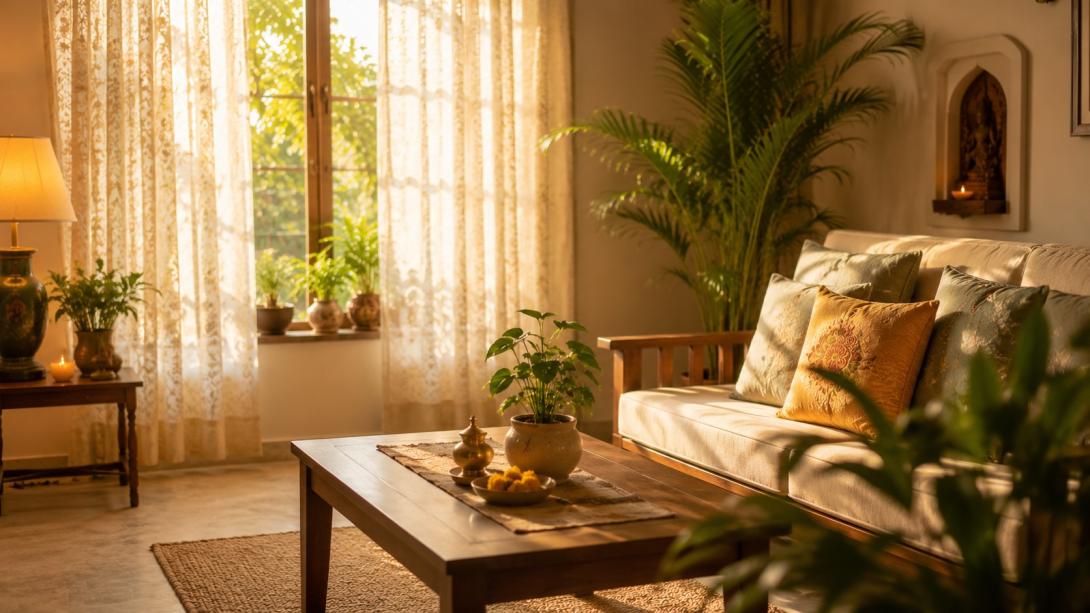
Have you ever noticed how some homes just feel peaceful the moment you walk in — and others feel tense, like an argument is always simmering just below the surface?
If your home falls into the second category, you've probably blamed stress, money, in-laws, or busy schedules. And sure, those play a part. But here's something most people never consider: the house itself might be feeding the conflict.
In Vastu Shastra, a home isn't just walls and furniture — it's a living field of energy. When that energy flows smoothly, the people inside feel calm, patient, and connected. When it's blocked, imbalanced, or disturbed, that same energy shows up as tension, irritability, and constant, pointless arguments — the kind where nobody even remembers what started the fight.
If you find yourself thinking "why is there always fighting in my house?", you're not imagining it. Let me walk you through 7 hidden Vastu causes of household conflict — and the simple fixes for each. Some of these will genuinely surprise you.
1. The Kitchen and Toilet Are Too Close (or Facing Each Other) 🔥💧
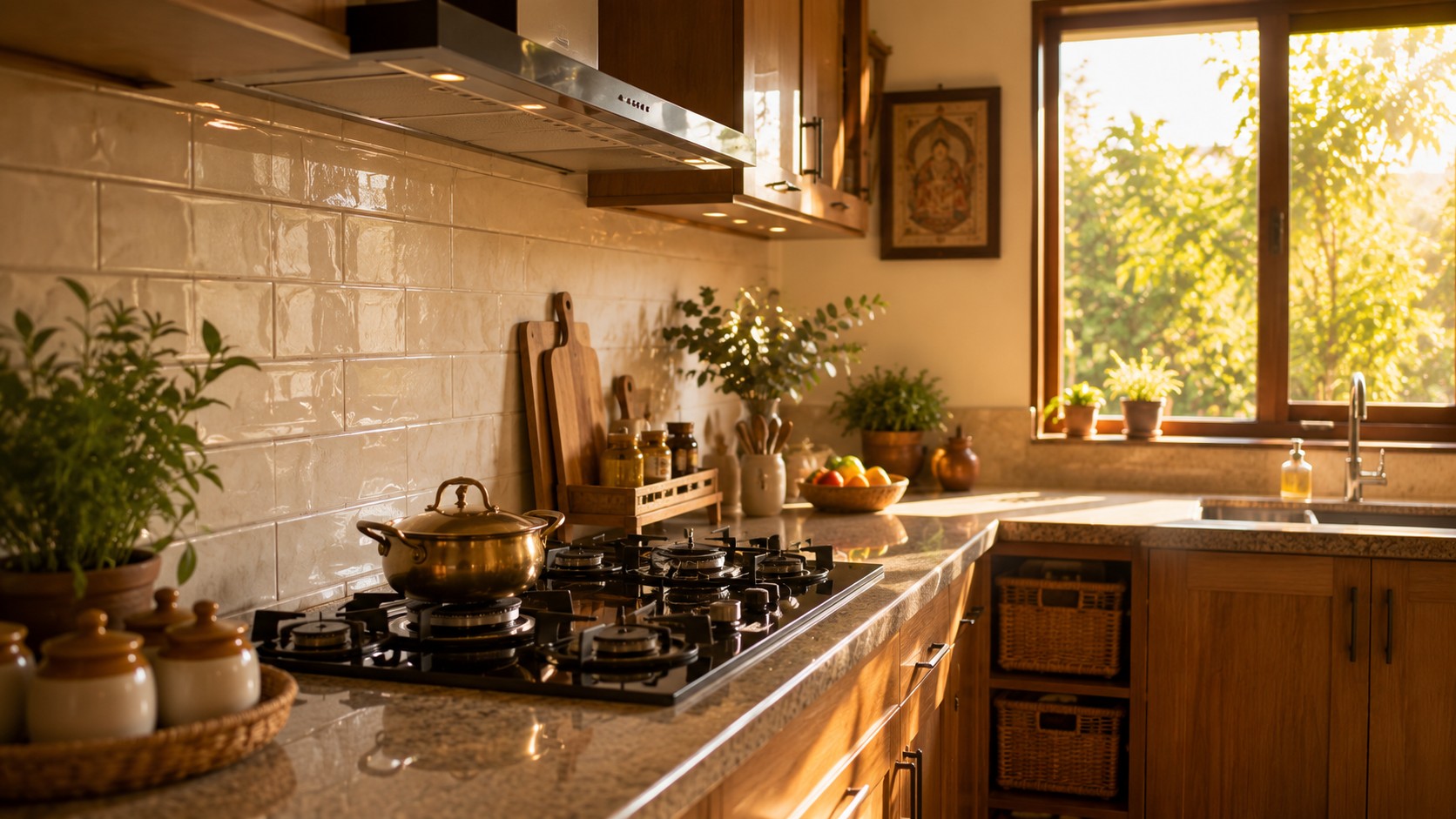
This is one of the most common — and most overlooked — causes of household tension.
In Vastu, the kitchen represents the fire element (Agni), while the toilet represents waste and water. When these two opposing energies are placed too close together, share a wall, or directly face each other, it creates a constant energetic clash — fire versus water. This disturbance often shows up as friction and arguments among family members, especially around mealtimes.
The fix: If you can't relocate either room, keep the toilet door closed at all times and maintain a strict separation — never store kitchen items near the toilet, and keep both spaces spotlessly clean. A small cloth curtain or partition can help symbolically separate the energies.
2. A Mirror Reflecting the Bed or the Dining Table 🪞
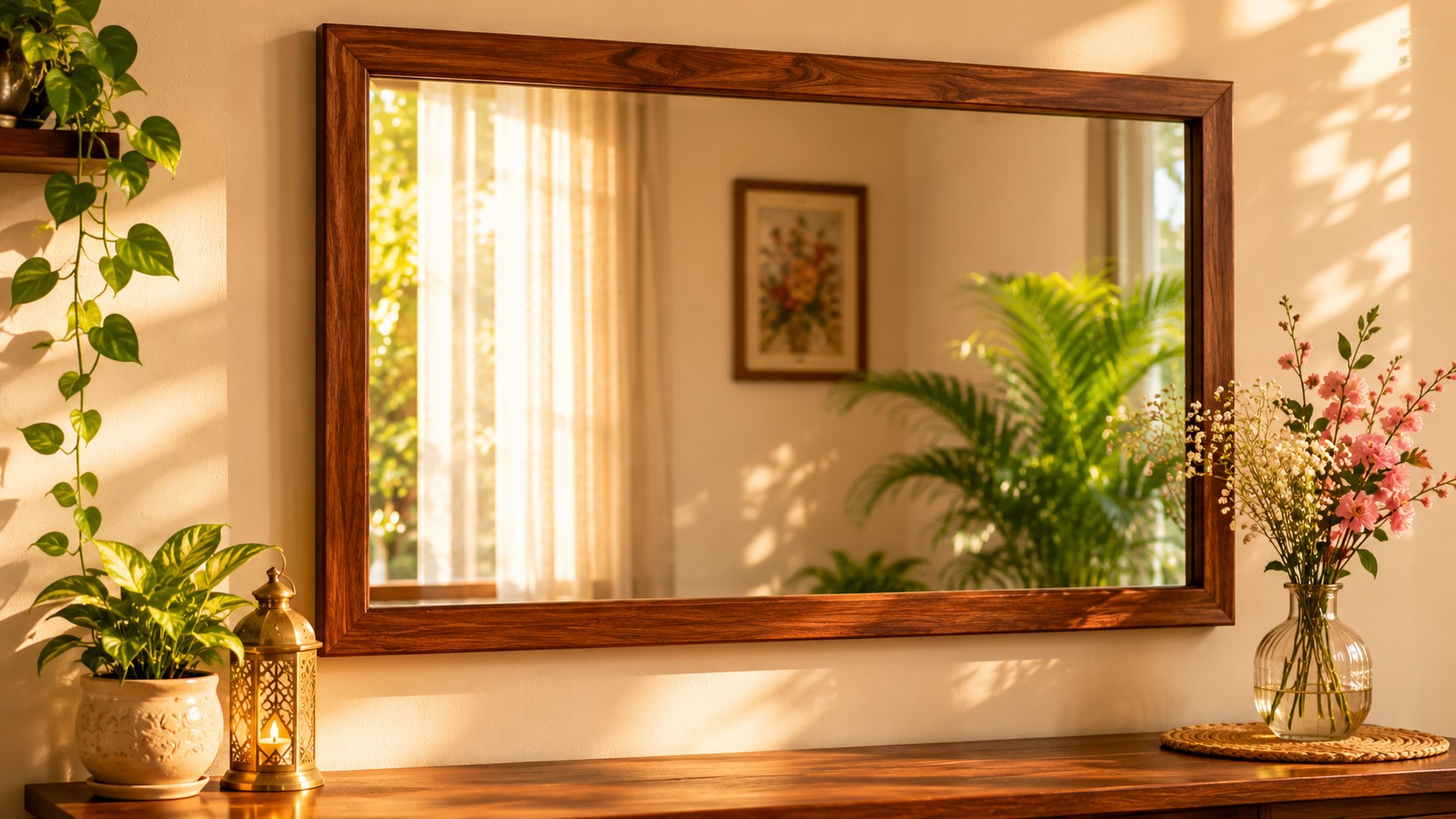
Mirrors are powerful energy amplifiers in Vastu — and that's exactly why they cause trouble when placed wrong.
A mirror that reflects the bed is believed to invite misunderstandings and even a sense of "interference" into a couple's relationship. A mirror reflecting the dining table or main entrance can amplify and double negative energy that enters the home, multiplying tension.
The fix: Move mirrors so they don't reflect the bed, the dining area, or directly face the front door. If a mirror can't be moved, cover it (especially at night). Mirrors are best placed on the North or East walls.
3. The Main Door Faces a Wrong or Blocked Direction 🚪
Your main door is the "mouth" of the home — it's where all energy enters. If this entry point is troubled, the whole house feels it.
Common problems include a main door that directly faces a staircase, a toilet, or a sharp corner of another building (a "poison arrow"), or an entrance that's dark, cluttered, broken, or creaky. These send disturbed energy straight into the heart of the home, setting an irritable tone for everyone who lives there.
The fix: Keep the entrance clean, bright, and welcoming. Fix any squeaky hinges or broken locks immediately (a broken door = broken harmony). Add a small light, a healthy plant, or an auspicious symbol like a toran near the entrance to invite positive energy in.
4. Clutter — Especially in the North-East and Center of the Home 🗑️
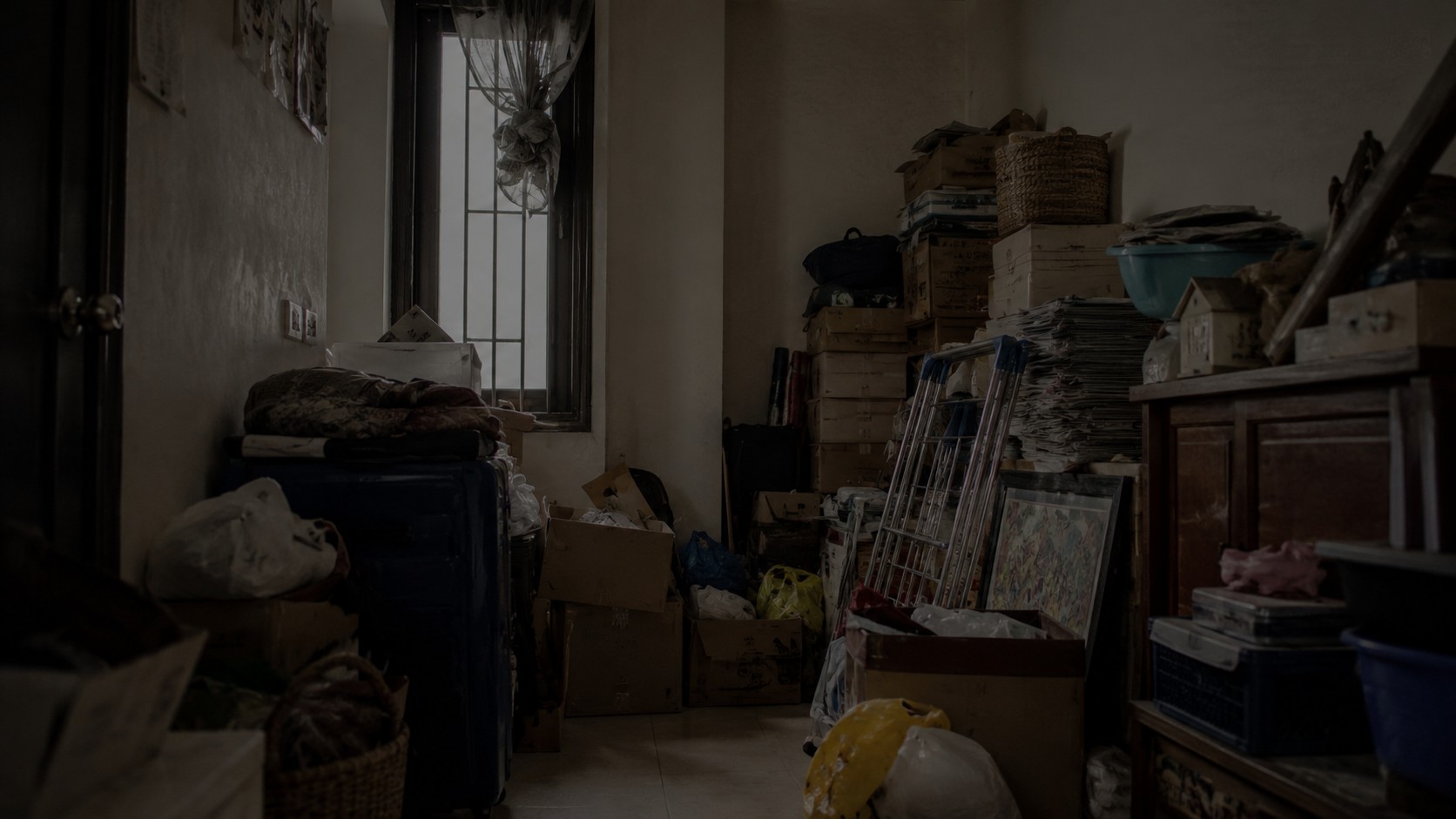
This one is simple but enormously powerful. Clutter is stagnant energy. And stagnant energy breeds irritability, heaviness, and conflict.
The two most sensitive zones are the North-East (the sacred, positive corner of the home) and the Brahmasthan (the very center of the house). When these are piled with junk, broken items, or storage, the entire home's energy becomes congested — and tempers rise without anyone understanding why.
The fix: Keep the center of your home open and clutter-free — don't put heavy furniture or storage there. Clear the North-East completely and keep it clean and light. Declutter regularly; throw out or repair anything broken. You'll be amazed how much lighter the whole house feels.
5. Too Much Red, Black, or Harsh Colors on the Walls 🎨
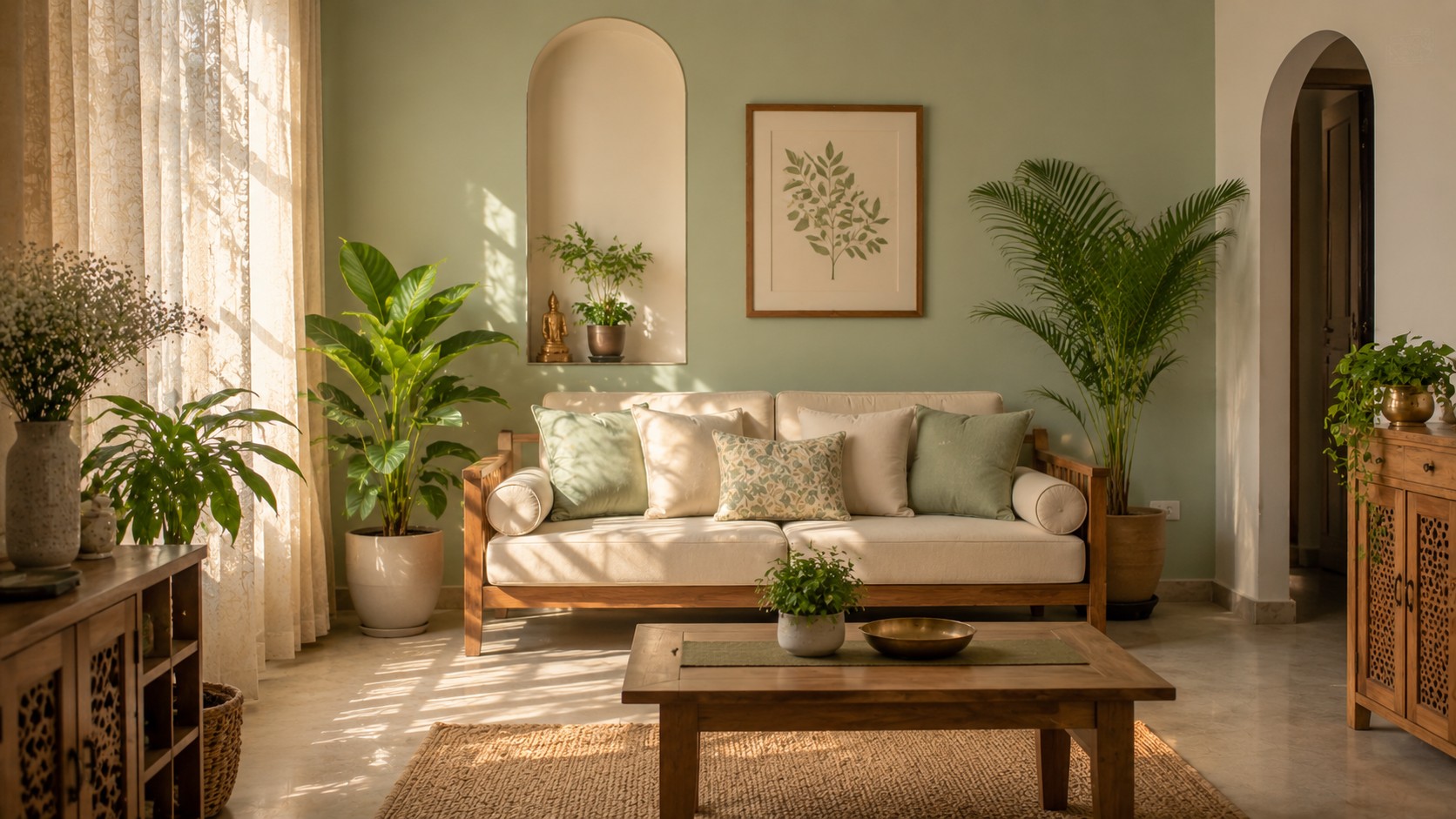
Color is silent energy, and it constantly affects your mood — even when you don't notice it.
Excessive red in the home (especially in bedrooms and living areas) stokes the fire element, fueling anger, aggression, and short tempers. Heavy use of black or very dark shades can create heaviness, low moods, and a sense of gloom. Both, in excess, contribute to a tense household atmosphere.
The fix: Favor calming, harmonious colors — soft greens, light blues, warm creams, gentle yellows, and peaceful pastels. These promote calm and togetherness. Save bold reds for tiny accents, not whole walls — especially in bedrooms and shared spaces.
6. The Bedroom Is in the Wrong Direction 🛏️
We covered this in depth in our article on sleeping direction and marriage, but it's such a common cause of conflict that it belongs on this list too.
A master bedroom in the South-East (the fire zone) is strongly associated with frequent arguments between couples and short tempers. Sleeping with your head to the North disturbs rest, and exhausted, poorly-rested people are far more likely to snap and quarrel.
The fix: Ideally, place the master bedroom in the South-West for stability and strong bonds. Sleep with your head towards the South or East for deep, restful sleep. Even just fixing the sleeping direction can noticeably reduce daily friction — well-rested people simply fight less.
7. Broken Things You Keep "Meaning to Fix" 🔧
Here's the hidden one almost nobody thinks about. That dripping tap, the cracked window, the clock that stopped working months ago, the door that won't close properly, the chipped crockery at the back of the cupboard.
In Vastu, broken and non-functioning items hold stuck, negative energy. A leaking tap is even said to symbolize draining wealth and draining emotional peace. Living surrounded by small broken things keeps the household energy in a constant state of "something's wrong" — which quietly translates into irritability and conflict.
The fix: Do a "broken things" walk-through of your home this week. Repair or remove everything that's cracked, leaking, stopped, or non-functioning. Fix dripping taps immediately. Replace or remove stopped clocks. This single cleanup often brings a surprising sense of calm to a tense home.
The Bigger Picture: Energy Shapes Emotion 🌿
Notice the pattern running through all 7 causes? Every one of them is about disturbed, blocked, or clashing energy — and how that energy quietly shapes the emotions of the people living inside.
This is the heart of Vastu: your environment is constantly, silently influencing your mood, your patience, and your relationships. You can be the most loving family in the world, but if you're all marinating in tense, stuck energy every day, friction is almost inevitable.
The beautiful flip side? When you fix these things — clear the clutter, repair what's broken, soften the colors, correct the directions — the home's energy lightens, and so do the people in it. Arguments that once felt constant start to fade. The house begins to feel like a sanctuary again.
---
## 🗺️ Find Out Which Hidden Vastu Defects Are in YOUR Home
We've shared the 7 most common Vastu causes of household tension. But here's the truth: every home has its own combination. The kitchen-toilet clash that's quietly fueling fights in one home might not exist in another. The cluttered Brahmasthan stealing peace in your home might be in a place you never suspected.
We built a free tool where you can **upload your floor plan and instantly see your home's Vastu zones, defects, and trouble spots mapped out clearly.**
👉 [Upload your floor plan here for a personalized Vastu view](https://brahmavastu.in/)
Just a photo or scan — and you'll see exactly which fixes from this article will make the biggest difference in YOUR home's peace.
---
Final Thoughts: A Peaceful Home Is Built, Not Wished For 💫
If your home has felt tense lately, please don't feel discouraged — and please don't blame yourself or your family. Sometimes the problem genuinely isn't you. Sometimes it's a mirror in the wrong place, a cluttered corner, or a tap that's been dripping for six months.
Pick just one cause from this list — the one that made you nod the most — and fix it this week. Then notice how the home feels over the next few days. Small shifts in energy create surprisingly big shifts in mood.
A peaceful home isn't something you wait and hope for. It's something you can gently, intentionally build — one corner, one fix, one calm choice at a time. 🌸
Which of these 7 causes did you spot in your own home? Tell us in the comments — and if this helped you understand the tension a little better, share it with someone whose home could use more peace. Sometimes harmony begins with a single small change. 🙏